


Many of the most dangerous jobs in 2025 involve working at height, exposure to energized systems, heavy equipment, and environmental stressors such as heat and fatigue. As jobsites grow more complex, these hazards increasingly overlap, raising the risk of serious injury or fatal incidents.
While workplace safety has improved over time, transportation incidents, falls, and exposure to energy sources continue to account for a large share of worker fatalities. Recent federal data reports 5,283 fatal work injuries in the U.S., with a rate of 3.5 deaths per 100,000 full-time workers, underscoring that these risks remain among the most serious challenges on today’s jobsites. Below are five of the most dangerous jobs and the safety challenges workers in these roles continue to face.
1. Electrical Power Line Technicians
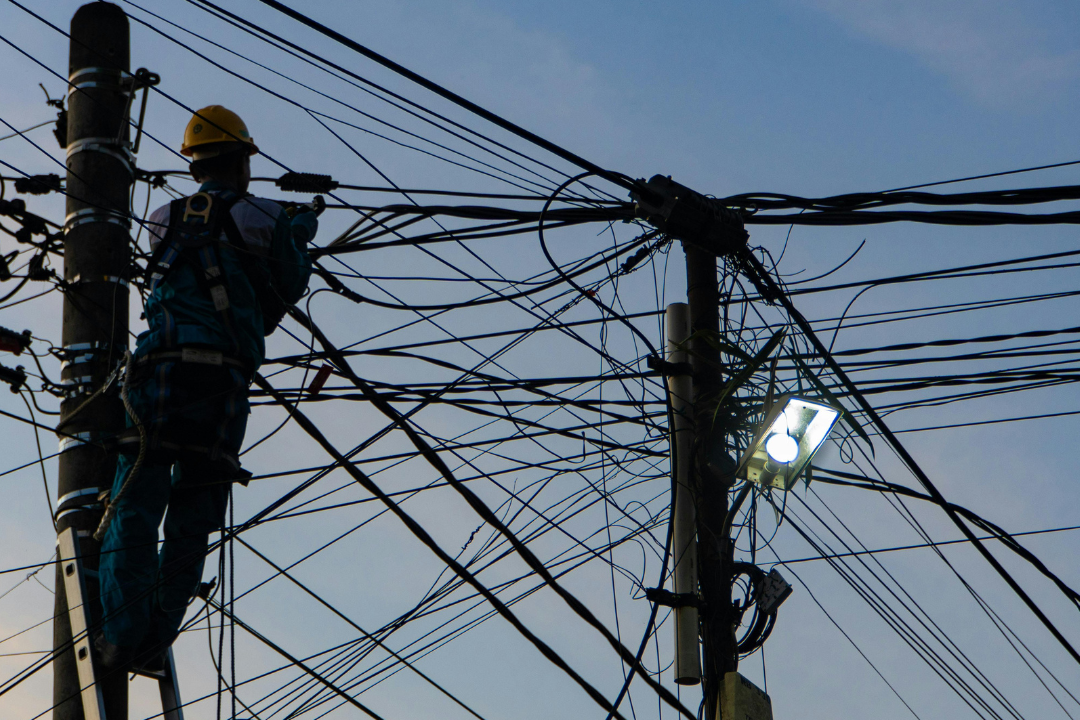
Electrical power line technicians work near energized systems, often at elevation. In recent federal safety reports referenced throughout 2025, contact with electricity continues to be one of the leading causes of fatal workplace injuries, particularly among utility and electrical workers.
Key risks:
- Contact with energized lines
- Arc flash and arc blast incidents
- Falls from poles or bucket trucks
2. Roofers

Roofers consistently rank among the most dangerous construction trades. Falls remain the leading cause of death in construction, and roofing consistently ranks among the occupations with the highest fatality rates, a trend that continues to concern safety professionals in 2025.
Key risks:
- Falls from roofs and ladders
- Heat stress and dehydration
- Slips caused by weather or materials
3. Iron and Steel Workers
Iron and steel workers perform structural work at significant heights around cranes and suspended loads. Structural steel and iron work continue to account for a significant share of fall-related fatalities in construction, especially when work is performed at height alongside cranes and suspended loads.
Key risks:
- Falls from elevated structures
- Struck-by incidents
- Changing tie-off and access points

4. Truck Drivers and Transportation Workers

Transportation workers operate large vehicles in dynamic, high-traffic environments. Transportation incidents remain the leading cause of fatal workplace injuries in the United States, accounting for a large percentage of worker deaths each year entering 2025.
Key risks:
- Large vehicle collisions
- Fatigue and distraction
- Limited stopping distances
5. Telecommunications and Tower Technicians
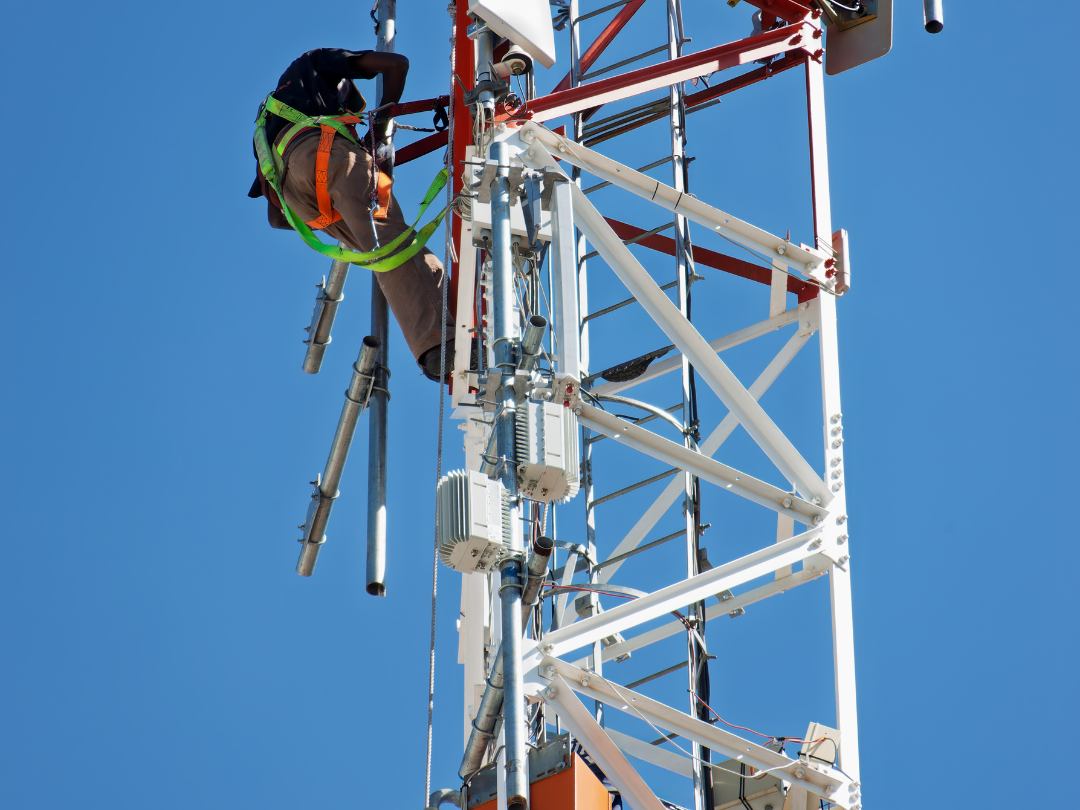
Telecom and tower technicians work at height near radiofrequency (RF) energy sources. Falls from elevation remain a primary cause of serious injury and death among tower and telecommunications workers, while RF energy exposure continues to pose an often-overlooked risk in 2025.
Key risks:
- Falls during climbing
- RF energy exposure
- Working near energized equipment
How LBA University Safety Training Helps Dangerous Jobs
Across these dangerous jobs, many hazards overlap — including work at height, exposure to electrical and RF energy, and human factors like fatigue and situational awareness. Training plays a critical role in preventing serious injuries and job-related fatalities. Our courses focus on real-world risks, proven safety practices, and practical decision-making that helps workers identify hazards before they escalate. Whether you’re strengthening an existing safety program or starting from the ground up, the right training can make all the difference.
Explore our safety courses to learn how they help:
Arc Flash and Electrical Safety (NFPA 70E)
Heat Stress Safety Training – HS1007
Fall Protection – Construction
PACE Behavioral Driving Large Vehicles
Tower Worker RF Safety – RF1002 (English)
Learn More
To learn more about other LBA University safety training or to discuss how training can support your workforce, contact:
🌐 All Safety Courses – LBA University
📧 in**@***********ty.org
📞 800.522.4464
👉 Explore more statistics about Injuries, Illnesses, and Fatalities in the workplace here: IIF Home : U.S. Bureau of Labor Statistics