



Workforce shortages can put pressure on workplace safety long before a position is filled. When an experienced employee leaves, projects still have deadlines, equipment still needs maintenance, and customers still expect service. For the remaining crew, that can mean longer hours, added responsibilities and less time to help newer coworkers.
In telecommunications, construction, utilities and other high-risk industries, a staffing gap can also mean losing someone who knows a particular system, recognizes an equipment problem or helps newer employees avoid mistakes.
The AGC/NCCER 2026 Workforce Survey highlights the hiring challenge. Among construction firms with hourly craft openings, 88% reported that those positions were as difficult or more difficult to fill than a year earlier.
Hiring takes time. In the meantime, employers need to recognize where staffing pressures could weaken safety and take steps to protect the workers already on the job.
Why Workforce Shortages Are a Safety Concern
A crew can have enough people on the schedule and still lack the experience needed for a particular assignment. When experienced employees leave, employers lose valuable hands-on knowledge, including the ability to recognize hazards, identify equipment problems and respond to unexpected situations. This experience isn’t always easily replaced through training alone.
Consider a tower crew that loses an experienced employee during a project. A newer worker takes on additional duties while the supervisor balances instruction with other responsibilities. The deadline remains the same, but gaps in experience and supervision may increase safety risks.
The challenge extends beyond recruitment. In the AGC/NCCER survey, 50% of respondents answering the question about hiring difficulties identified candidates’ lack of skills, certificates or licenses as a problem. While these findings don’t establish a direct connection between workforce shortages and injuries, they highlight the importance of checking qualifications before assigning work.
Employers must ensure that every worker has the training, experience and supervision needed to perform their tasks safely.
Four Ways Workforce Shortages Can Affect Safety
1. Longer Hours and Fatigue
Overtime may help cover an absence, but extended schedules deserve attention when they become routine.
According to CDC’s National Institute for Occupational Safety and Health, fatigue can slow reactions, reduce concentration, affect short-term memory and impair judgment. Extended hours, demanding tasks, stress and heat can contribute.
These effects matter when operating equipment, driving between sites or verifying that equipment has been safely de-energized. Workers may understand the hazards but struggle to maintain attention late in a demanding shift.
What to watch for:
- Limited opportunities for rest and recovery
- Repeated overtime and consecutive long shifts
- Long drives before or after physically demanding work
2. Unfamiliar Work and Rushed Onboarding
An experienced worker may still be unfamiliar with a site’s equipment, procedures or emergency arrangements.
When crews need help quickly, orientation can get shortened or overlooked. OSHA’s recommended practices call for additional training as necessary when workers receive new tasks, with instruction in a language and at a literacy level they understand.
Before work begins, employers should confirm that employees can explain the hazards and demonstrate the required precautions. A job title or completed orientation form does not establish readiness for every task.
What to watch for:
- Employees reassigned without task-specific instruction
- Assumptions about a new hire’s abilities
- Workers unsure whom to contact with safety questions
3. Reduced Mentoring and Supervision
Experienced employees often notice what others miss: an unusual sound, an unclear instruction or a step that has been skipped.
When they take on extra assignments, newer workers may have fewer opportunities to ask questions. Supervisors may also have less time to observe work and correct misunderstandings.
Mentoring needs time in the schedule. Asking someone to train a coworker while maintaining the same workload can leave both employees struggling to meet expectations.
What to watch for:
- New workers left without available support
- Mentors carrying competing responsibilities
- Questions postponed because everyone appears too busy
4. Maintenance Backlogs and Weak Handoffs
Workforce shortages can delay inspections and leave equipment problems unresolved. A repair flagged by one shift may never be clearly communicated to the next.
Handoffs should identify the equipment, its condition, any restrictions and who will follow up. Equipment that cannot be operated safely should remain out of service until the problem is corrected.
What to watch for:
- Overdue safety-critical inspections
- Equipment problems without an assigned owner
- Restrictions that are unclear to incoming crews
How These Challenges Affect High-Risk Industries
Telecommunications and Tower Work
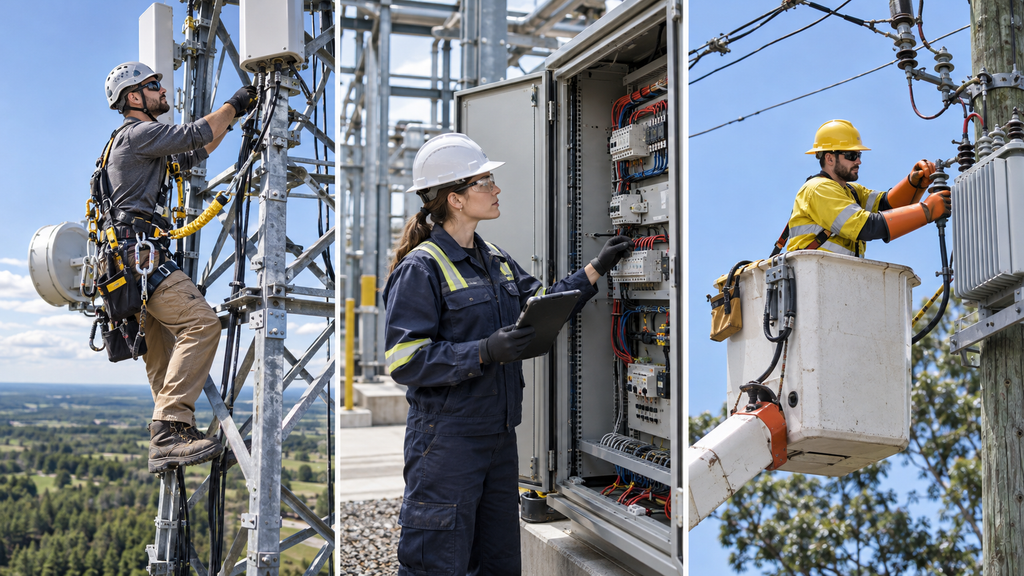
Tower crews face hazards that require careful preparation and coordination. OSHA identifies falls, electrical hazards, falling objects, equipment failure and structural collapse among the dangers associated with communication tower work.
When crew members change, employers need to review responsibilities, supervision and emergency arrangements. Radio Frequency (RF) exposure also requires specific attention.
LBA University’s Tower Worker RF Safety training can support RF hazard awareness alongside site-specific procedures and field instruction.
Construction
Construction sites often bring several employers and trades together in a changing environment. A replacement worker needs to understand the assigned task, nearby activities and how to report concerns.
When skilled workers are scarce, supervisors should check training and practical skills before moving someone into an unfamiliar role. Availability alone is not enough to determine who should perform high-risk work.
Utilities
Storm response, emergency repairs and changing conditions can place heavy demands on utility crews.
For work covered by OSHA’s electric power standard, required job briefings address hazards, procedures, special precautions, energy controls and personal protective equipment (PPE). Additional briefings are required when significant changes could affect worker safety.
LBA University’s Lineman Safety courses can support ongoing learning as part of a broader program of supervised field development.
Manufacturing and Maintenance
Maintenance backlogs can create pressure to return equipment to service quickly. Even a brief repair may involve electrical, mechanical, hydraulic or other hazardous energy.
Workers must follow applicable hazardous-energy control procedures, including lockout/tagout where required. OSHA explains that unexpected startup or the release of stored energy during maintenance can cause serious injury or death.
Six Actions Employers Can Take Now
1. Check Skills Before Assigning Work
Confirm that workers have the training and practical skills for the task. Identify who needs supervision and who will provide it. If essential qualifications or safeguards are missing, adjust or postpone the work.
2. Make Time for Mentoring
Build instruction and supervised practice into the schedule. Ask newer workers to explain the hazards and precautions, then watch them perform the task. Give mentors enough time to teach.
3. Rethink the Workload
Before adding overtime, review consecutive shifts, travel and recovery time. Talk with the crew about workload pressures and decide what can wait or needs more support.
4. Stay Ahead of Equipment Problems
Assign someone to follow up on overdue inspections and repairs. Clearly communicate equipment restrictions between shifts, and keep unsafe equipment out of service until problems are corrected.
5. Get Everyone on the Same Page
Review responsibilities, hazards and emergency plans before work begins—including with replacements and subcontractors. Make sure everyone knows how to pause work and get help when concerns arise.
6. Act on Warning Signs
Look for unresolved hazards, missed inspections and gaps in qualified staffing. Investigate near misses and follow through on concerns. More reports may mean workers feel more comfortable speaking up.
Conclusion
Workforce shortages can create challenges that extend beyond filling open positions. When experienced employees leave, employers must consider how the loss of knowledge, increased workloads and reduced supervision may affect workplace safety.
While staffing challenges may take time to resolve, employers can take steps now to protect their teams. Prioritizing training, maintaining clear communication and ensuring workers are prepared for their responsibilities can help reduce risks and support a safer workplace.
How LBA University Training Supports Workforce Readiness
Training can help employers address skill gaps associated with workforce shortages. It can prepare new hires and reassigned workers for unfamiliar hazards while giving experienced employees opportunities to refresh their knowledge.
LBA University offers training relevant to these needs, including:
Explore LBA University’s safety courses or contact our team to discuss training opportunities for your workforce.
🌐 LBAUniversity.org
📧 in**@***********ty.org
📞 800.522.4464
Sources
- AGC & NCCER. 2026 Workforce Survey. September 3, 2026.
- CDC/NIOSH. Fatigue and Work. July 14, 2026.
- OSHA. Safety Management: Education and Training.
- OSHA. Communication Towers.